
“Business or pleasure?”
Possibly the most reductive question I’ve ever been asked. Are there really only two options for why someone would choose to visit a country?
“Are you here for vacation?”
My answer will always be different. Most times, I just say yes so the conversation can move along.
You’ve probably been in a similar situation if your reasons for travelling are more complex than what can be described on a single-choice questionnaire.
It was New Year’s Eve at university, and I didn’t have anyone to spend it with. My friends were at parties I didn’t have any desire to go to. My date had cancelled on me. Watching a movie or getting online was monotonous to me. A general sense of boredom and frustration pervaded, with how limited and unfulfilling life was currently going. I ended up going to bed at 9 PM.
Seeing that this would probably go on long after I graduated into office life, I asked myself, “Is this it? Surely there are other lifestyles, locations, romances, friendships, events, and atmospheres that appeal to me. Surely there is a place that treats me better. If I’m going to spend time alone, I might as well have a hell of a time doing it.” I made a promise to myself that in three years, I would leave the US no matter what, with no solid plan to come back, and began aggressively saving for it.
There are so many reasons to take a massive international trip in your 20s (not too late for other ages as well!), and these days you can do it for about the same cost as it is to just LIVE in the US. I’ll list a few reasons below—some that I knew beforehand, and others that were pleasant surprises:
Reconnaissance: This isn’t just tourism; it’s an investment in yourself. You’re exposing yourself to a huge new variety of cultures, lifestyles, people, food, etc. You may even find you prefer certain places to your home country. You may also discover what you DON’T like. Picking a place to live is one of your most important decisions in life—don’t make it with no data. I found myself becoming a lot more opinionated and decisive by the end of my trip.
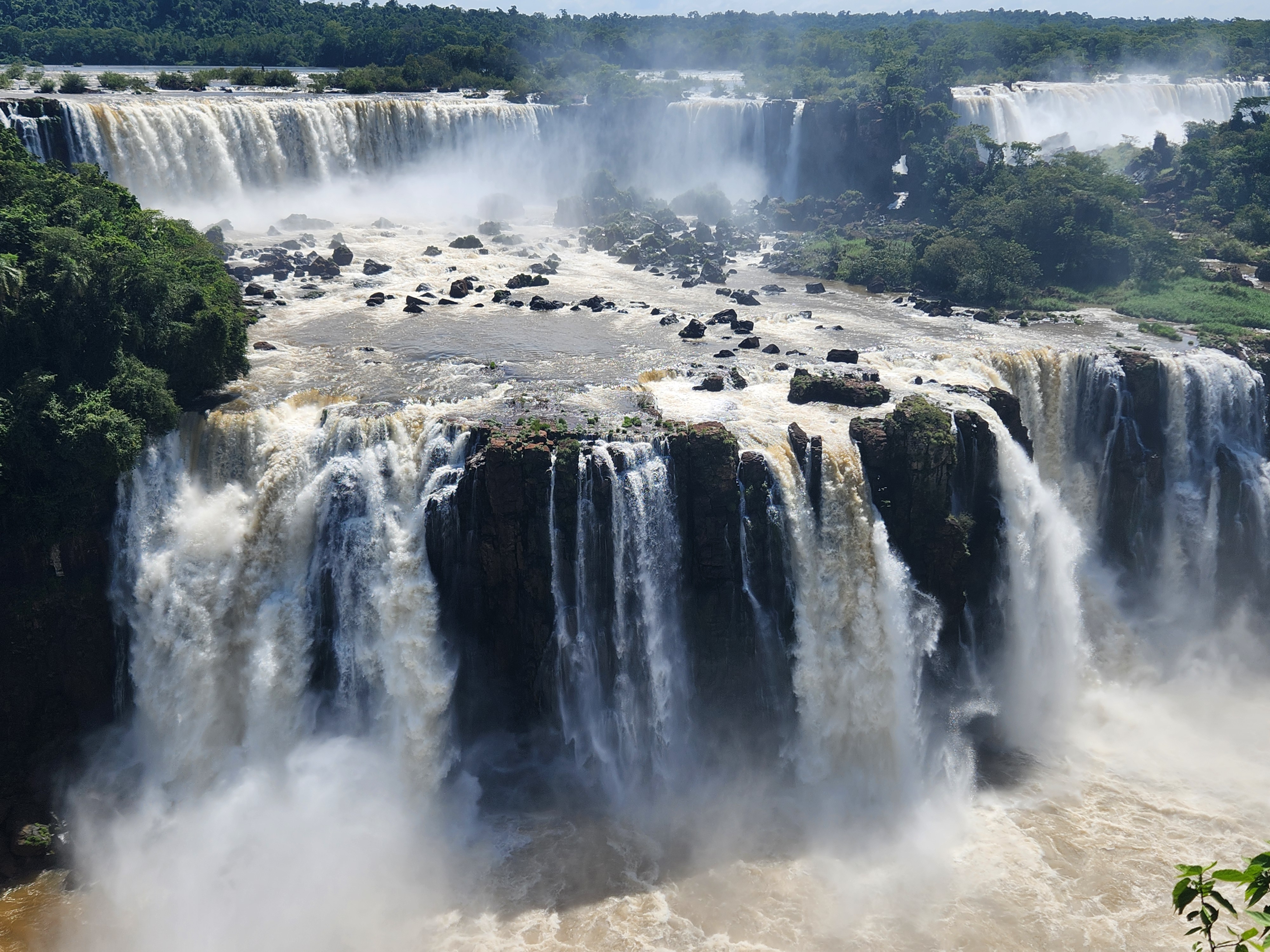
Tourism: Don’t make this the sole focus of your trip, but if you’re already travelling across the world, you should also see the best it has to offer. I spent about 20% of my time actively hunting down world-class attractions. It’s good to spend time outside the “touristy” areas, but don’t forget: people pay thousands of dollars and take their only two weeks off per year to see things that are going to be within a day trip for you.
Relationships: You can take this time to date and make friends. It’s tough when you only spend a week in some areas, but for solo travellers, spontaneous adventures can happen anywhere. During travel you’re in sandbox mode, and if the culture is open to it, it’s really easy to start random conversations. Social media makes it easy to create a network. You just won’t be making many long-term friends or finding a spouse in that amount of time. That’s totally fine—this trip is about taking flight, not laying down roots. You might adopt unconventional goals toward relationships or find you’re more compatible with some cultures. Compared to how much time and money people are pouring into relationships in the West, or people whose sole objective in leaving is finding a spouse, you are getting invaluable experience.
Personal reflection: Although places blend together and relationships end as soon as they begin, I never felt less lonely than when I was full-time travelling. Every time you move to a new environment, your brain will be taking in a whole new set of external stimuli. Just stepping off the plane is a whole new dataset that can teach you more about the country than a college course. Your creativity will greatly increase. Your priorities and mindset will change. You may come back much more calibrated. I dreaded my career and was totally burned out in IT before leaving, and I returned with renewed ambition and focus. I became much more open and had a list of dozens more experiences, books, places, and goals I wanted to accomplish in my life. It also helped put things into perspective: I was much more grateful to be financially secure and for my country than I was before leaving.
Financial independence: Long-term travelling will expose you to “Expat FIRE,” the concept that financial independence is much more achievable outside of the US. This goes back to the “investment” section. In some of these places you can live in first-world comfort for half the price of the US. Do you like living in Thailand? Great—you can retire 10+ years earlier. Did you like Nepal? Retire 20 years earlier.
Learn new skills and become less dependent on the first world: If you’re spending time at least partially outside the tourist zones or going to less-visited countries, you’re going to be forced to learn new skills. I learned how to ride a scooter in Chiang Mai, how to navigate third-world transit systems, how to say no to and haggle with vendors, how to read the Georgian alphabet, how to ALWAYS DECLINE taxi drivers, situational awareness and anticipating danger, how to tango in Argentina, use a bidet, handle international vaccinations, banking and digital security abroad, handle mail forwarding, visas and digital arrival cards, various foreign languages, which food to stay away from, which STREETS to stay away from, nonverbal skills, how to steam your shirts, how to pack effectively for several months, cost-saving measures the locals take, and so, so, so much more.
Now let’s also consider why your 20s are THE BEST time to do this:
- You are still developing a plan for your life. Information helps.
- You haven’t been sucked into the career trap yet.
- You haven’t started a family yet. Much lower expenses.
- You’re OK with the discomfort that frugal travel often presents.
- You can adapt faster to environmental or linguistic challenges.
- You have loads of energy and fewer health problems.
We only have one world—wouldn’t you like to see more of it? Everyone deserves a major adventure in their life, whether it’s a couple of weeks or a couple of months.
That said, I would be remiss if I didn’t briefly mention the negatives. Social isolation, lowered safety standards, getting sick frequently, exposure to poverty or aggressive populations, things not working properly, or food in the Philippines. Several months off with uncertainty about your career and no income can be quite a terrifying thing. I personally waited until I had enough for the trip plus two years of living expenses and no debt because I am extremely risk-averse. It’s a real grind to save up that much, and you have to let go of creature comforts.
But if you can brave the challenges (and I’ll go into this in another article on why it really isn’t that bad), it’s absolutely worth it. You will have the adventure of a lifetime, experience a mode of living and level of freedom that 99.99% of people in history have never experienced, learn things that are just as or more valuable than a college degree, and return (or not) with better understanding, judgment, appreciation, self-confidence, and mental freedom. Just TRY being depressed after a week in South America—I dare you.
You are whoever you want to be while travelling. There are no expectations – in fact, travelling with expectations is an inferior experience. Embrace the lack of definition, even if it’s frustrating for others. Embrace the unknown. Business or pleasure – who cares?
 Tightwad Travelling
Leave a comment